


Upper Blepharoplasty in South Korea
- 98% Recommend this procedure
- 45 Reviews from clients
- 300 Operations per year
- 19 Experienced doctors
- 7 Days in country

in South Korea
-
Top 10 countries Ranked among the top 10 countries for number of plastic surgeries
-
Global standards Global standards of quality in applied techniques
-
Leading surgeons Leading surgeons committed to continuous professional development
-
Luxurious stay Opportunity to combine treatment with a luxurious vacation
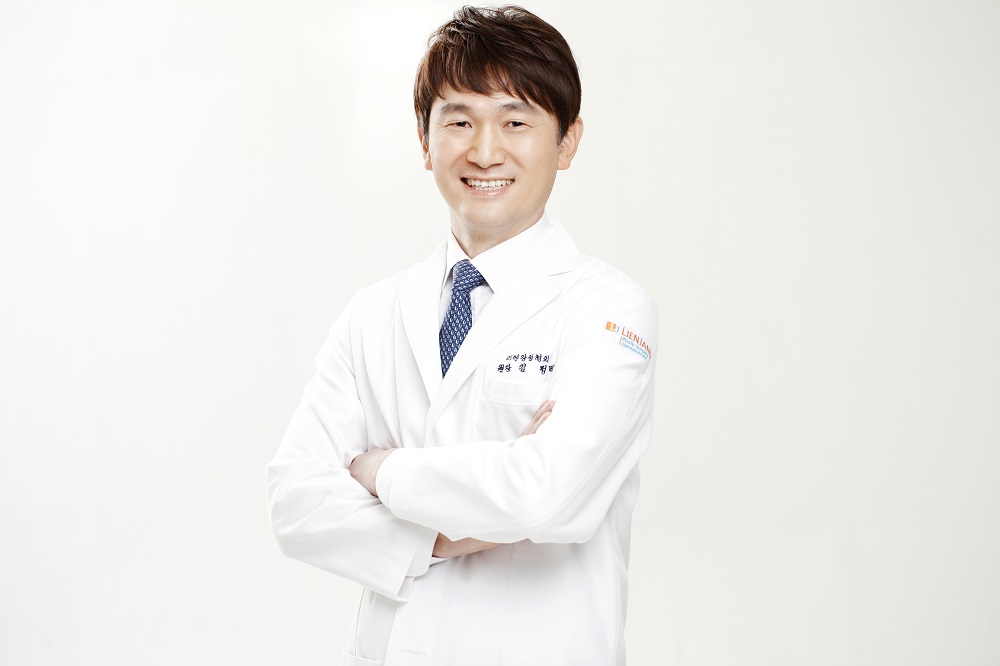
Patients from all over the world are increasingly choosing upper blepharoplasty in Seoul due to the high level of expertise of local plastic surgeons and the availability of unique correction techniques. Seoul doctors strive not only to rejuvenate and improve appearance, but also to preserve individual features. During upper blepharoplasty, the surgeon removes sagging skin from the upper eyelid and restores muscle elasticity, thus opening up the eyes and eliminating the puffiness and heaviness that traditionally develops with age. At Reviva, we work with leading plastic surgeons in Seoul who have impressive experience in correcting the periorbital area and practise innovative plastic surgery techniques to make them as effective and safe as possible. We will help you arrange remote and on-site consultations, provide any services related to documents and translations, select accommodation, and assist you with any questions during your stay.
questions
- What is upper blepharoplasty and why is it popular in South Korea?
- Upper blepharoplasty is a surgical procedure aimed at improving the appearance of the upper eyelids by removing excess skin and fat. It helps to restore a youthful look, improve the shape of the eyes and make the face look younger. The operation is especially popular among Asian women because it allows them to correct the specific structure of Asian eyes, which are often characterized by the absence of an upper eyelid fold.
- How is rehabilitation after upper blepharoplasty going in South Korea?
- Rehabilitation after upper blepharoplasty in South Korea lasts about two weeks. Immediately after the operation, swelling and small bruises occur, which are relieved with cold compresses and rest. The stitches are removed after 5-7 days. It is recommended to avoid physical activity, cosmetics and contact lenses for the first few days. Full tissue recovery occurs after six months, but daily activity can be resumed after a couple of weeks.
- What are the advantages and risks of upper blepharoplasty in South Korea?
- The advantages of upper blepharoplasty in South Korea include the high quality of medical care, the use of modern technologies and equipment, and the availability of procedures compared to Western countries. South Korean specialists have extensive experience in performing such operations, which ensures the safety and effectiveness of treatment. However, there are also risks associated with the procedure. Possible complications include allergic reactions to anesthesia or medications used during surgery. Cases of dry eye syndrome are rare, although professional care minimizes this risk. It is important to note that the success of the operation depends on the qualifications of the doctor and careful preparation of the patient. Before performing the procedure, it is important to discuss all the details with your doctor, including the expected results and potential risks.

Request a free consultation Our 24/7 support service will assist you in trip planning, during the plastic surgery procedure, and afterwards.
Order consultation- We match you with the right surgeon
- We take care of your transfers, bookings, and schedule
- We personally accompany you to your consultations
- We help with anything you need - from translation to daily logistics
- We're just one message away, even after your surgery
Request your consultation